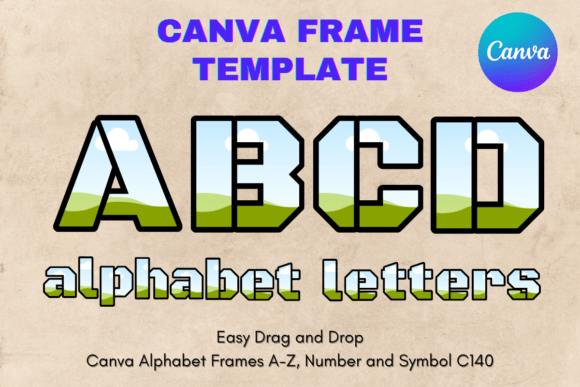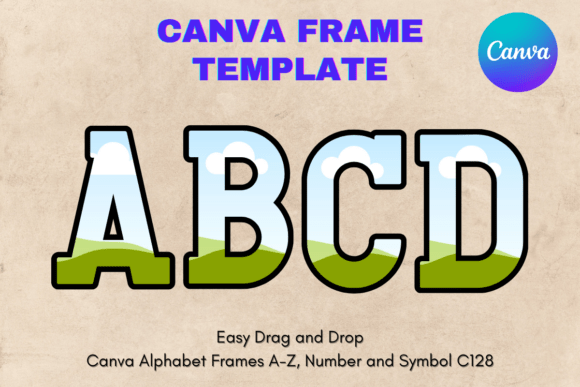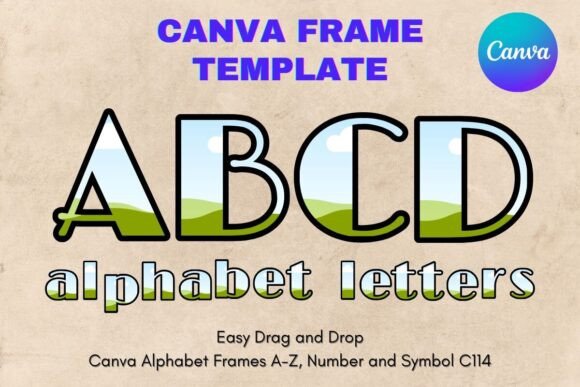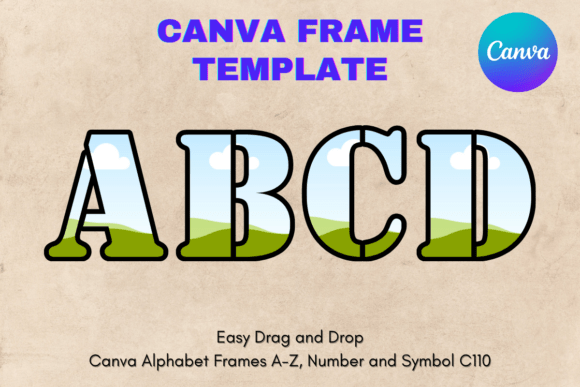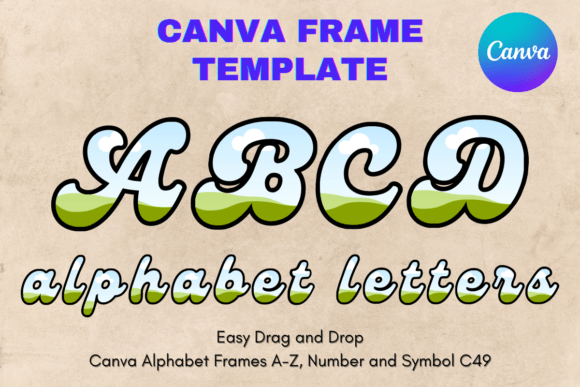
Canva Letters Frame Alphabet Template_49
As a designer who’s stitched over 300 client projects—from monogrammed baby blankets to boutique sweatshirt lines—I opened Canva Letters Frame Alphabet Template_49 expecting charm, not complexity. What I found was a quietly confident alphabet set: clean-lined, gently framed letters that sit comfortably between modern minimalism and handmade warmth. It’s not flashy—but that’s exactly why it works so well for real embroidery use.
A tote bag test: where this design earns its keep
Last week, I prepped a custom embroidered canvas tote for a local florist’s pop-up—simple branding, no logo, just their shop name in a clean, legible script. I reached for Canva Letters Frame Alphabet Template_49 because the frame isn’t ornate; it’s subtle—a soft rectangular border around each letter, like a hand-drawn chalk outline. That restraint translated beautifully when stitched: the satin-stitched outer edge held crisp definition, while the interior lettering stayed airy enough to avoid dense fill stitch buildup. No puckering. No thread nesting. Just clear, friendly typography that looked intentional—not templated.
Where it shines (and where it asks for care)
This isn’t a one-size-fits-all embroidery file. Its strength lies in context—and knowing where to lean in, and where to pause.
- Shines on: medium-weight woven fabrics (cotton twill, linen blends, canvas), flat surfaces (tote bags, pillow covers, tea towels), and products meant to feel personal but polished—think nursery wall art, wedding guest book covers, or small-batch aprons for a bakery.
- Needs thoughtful handling on: stretchy knits (like t-shirts or baby onesies), curved surfaces (caps or beanies), and ultra-thin fabrics (silk charmeuse or lightweight rayon). The frame adds visual weight—so on delicate textiles, it can read as heavy unless scaled down and stabilized properly.
I tested it on a dark indigo denim tote using light gray thread and a medium-cutaway stabilizer. The contrast worked—the frame lifted the lettering without shouting. But on a black sweatshirt with navy thread? Too low-contrast. The frame blurred into the background. Lesson learned: Canva Letters Frame Alphabet Template_49 thrives when you honor its quiet presence with smart thread color pairing and background awareness.
Real talk for Etsy sellers and craft business owners
If you’re listing personalized embroidered goods on Etsy—or stocking a local maker shop—this template supports brand consistency without sacrificing uniqueness. It’s not generic clipart; the framing gives each letter subtle distinction, making initials or short names feel considered, not copied. Customers notice that. A buyer ordering a “Mae”-monogrammed kitchen towel doesn’t just want legibility—they want to feel like the item was chosen *for them*, not generated by algorithm. Canva Letters Frame Alphabet Template_49 delivers that nuance.
That said, don’t assume it’s plug-and-play for every product line. I tried scaling it down for a 3-inch hoop on a child’s cap—and the inner letter detail started to compress. The frame remained readable, but the fine interior stroke lost clarity. For caps or tiny patches, treat this as a 4-inch+ design. And if you’re planning layered applique (say, fabric-backed letters on a patch), confirm the frame shape allows clean cutaway edges—no tight inward corners that trap thread or fray easily.
Design assets that serve your process—not just your portfolio
What makes Canva Letters Frame Alphabet Template_49 genuinely useful is how it fits into workflow—not just final output. Since it arrives as a PDF with Canva links, you can drag, resize, recolor, and rearrange letters in seconds. That’s invaluable when mocking up listings: swap fonts (though the frame is fixed), adjust spacing for different names, or preview how “The Hart Family” reads versus “Hart & Co.” before stitching a single stitch.
But here’s what matters more than convenience: it invites intentionality. Because the frame is part of the letter—not an add-on—it encourages you to think about negative space, rhythm, and balance *before* digitizing or hooping. That’s rare in digital embroidery assets. Most alphabet packs hand you isolated letters and leave composition to you. This one includes gentle structure—so your finished product feels cohesive, even when customized.
Practical notes from the hoop
Before you commit to a client project or bulk production run with Canva Letters Frame Alphabet Template_49, do these five things:
- Test on scrap fabric matching your final product’s weight and weave—especially if using textured linen or brushed cotton.
- Check thread color contrast in both natural and artificial light. Light-colored frames on pale fabric can vanish under certain lighting.
- Review stitch density visually in your embroidery software—if the frame appears overly dense, reduce fill stitch % slightly to avoid stiffness.
- Confirm hoop size compatibility. If your machine uses smaller hoops (under 4 inches), scale the entire frame proportionally—not just the letters.
- Verify licensing terms directly with the seller. Since this is a digital embroidery file, commercial use rights aren’t automatic—even if marketed for craft business use.
Final stitch: who’s this really for?
Canva Letters Frame Alphabet Template_49 isn’t for designers chasing trend-driven maximalism. It’s for the embroiderer who values clarity over clutter, who stitches heirloom baby blankets and knows how thread behaves after 50 washes, who lists on Etsy not just to sell—but to build trust through consistency and care.
It’s ideal for small shop owners building a recognizable aesthetic across tote bags, tea towels, and holiday gift sets. It’s reliable for apparel decorators adding subtle branding to staff uniforms. And it’s refreshingly honest for hobbyists tired of designs that look great on screen but fray, pucker, or fade in real life.
In short: if your embroidery project needs personality without pretense—if it’s meant to be touched, used, gifted, and kept—Canva Letters Frame Alphabet Template_49 earns its place in your design assets. Not as a shortcut. But as a thoughtful, stitch-ready foundation.