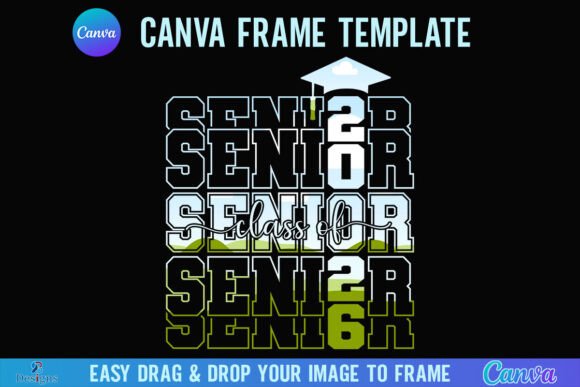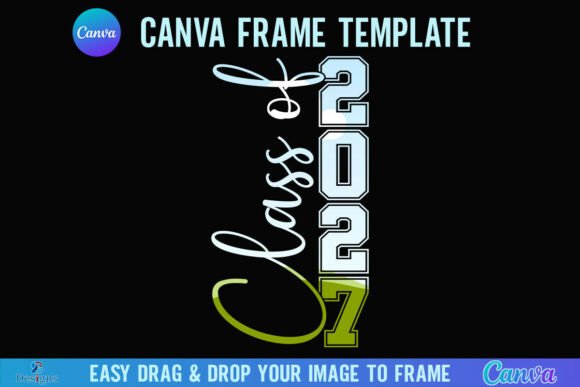
Class of 2027 Canva Frame Graduation
A Designer’s First Look: Clean, Cheerful, and Commercially Smart
When I opened the Class of 2027 Canva Frame Graduation, my first thought wasn’t “cute” — it was “usable.” As someone who’s stitched hundreds of graduation-themed pieces for Etsy shops, boutique baby lines, and custom apparel clients, I’ve seen too many designs that look great on screen but fall apart under needle and thread. This one lands differently: balanced negative space, generous lettering, and a frame layout that breathes. It feels like a design built *for* embroidery — not just slapped onto a Canva template and called done.
Real-World Test: Stitching It on a Linen-Cotton Tote Bag
Last week, I prepped a batch of personalized graduation totes for a local high school senior group. I chose the Class of 2027 Canva Frame Graduation as the centerpiece — centered on the front panel, sized to 4.2 inches wide. Why? Because its open frame shape naturally accommodates names or small monograms inside without crowding, and the outer border gives enough visual weight to hold up on textured fabric. On the linen-cotton blend, the design stitched cleanly with minimal puckering — especially when paired with medium-weight cutaway stabilizer. No satin stitch flooding, no tiny corners collapsing. Just crisp, confident lines.
Where It Shines (and Where to Pause)
This isn’t a one-size-fits-all machine embroidery design — and that’s a good thing. Here’s where it works best:
- Custom apparel: Sweatshirt embroidery and lightweight t-shirts — the layout avoids dense fill stitch clusters, so it lays flat and wears well.
- Tote bag design and aprons: The frame structure reads clearly even at mid-size (3.5–5 inches), making it ideal for boutique merchandise.
- Baby embroidery and nursery decor: Soft color palettes in Canva translate beautifully to pastel threads — think mint, blush, or ivory on oatmeal knit onesies or pillow covers.
- Embroidered patch and cap projects: Clean outer edges mean clean cutlines. Just confirm your hoop size fits the full frame before digitizing for caps.
Use caution on:
- Stretchy fabric or thin knits: The open frame relies on structural integrity — add tear-away + cutaway stabilizer combo to prevent distortion.
- Dark fabric: Small decorative accents (like subtle stars or dots inside the frame) may vanish unless you boost contrast with brighter thread colors.
- Curved surfaces (e.g., structured caps): Test stitch the top third first — some Canva-based graphics aren’t optimized for curve compensation.
- Frequent-wash items (tea towels, baby blankets): Avoid ultra-thin outlines; reinforce running stitch details with a second pass if needed.
What It Adds to Your Finished Product — Beyond Aesthetics
The Class of 2027 Canva Frame Graduation elevates perceived value without demanding premium time or thread. Its balanced proportions say “thoughtful,” not “thrown together.” Customers notice that — especially on personalized gifts and graduation keepsakes. When stitched on a hand-embroidered-style tea towel or a boutique sweatshirt, it reads as intentional branding, not clipart. For Etsy sellers and craft fair vendors, that quiet professionalism builds trust faster than any description ever could.
It also plays well across formats: use it as-is for digital embroidery files, adapt it into an applique design by swapping the inner frame for fabric-backed shapes, or drop it into printable mockups to show clients how their custom apparel will look — all without licensing guesswork (just verify terms in the PDF before commercial resale).
Practical Notes Every Embroidery Designer Should Check
Before stitching your first Class of 2027 Canva Frame Graduation piece, do these six things:
- Test on scrap fabric first — especially if using textured weaves, knits, or blends.
- Review stitch density visually — zoom in on the PDF preview or Canva link to spot potential over-stitching in corners or letters.
- Confirm hoop size compatibility — this is a frame, not a single monogram; measure the full outer dimensions before loading.
- Check small details in black-and-white mockups — what looks delicate on screen may disappear when stitched in tone-on-tone thread.
- Compare light and dark fabric backgrounds — adjust thread colors accordingly; avoid white-on-cream or navy-on-black combos unless intentional.
- Verify stabilizer match — lightweight tear-away for stable cottons, cutaway for knits, and fusible + tear-away for sheer layers.
Final Thought: A Quiet Workhorse, Not a Flashy Gimmick
I don’t reach for the Class of 2027 Canva Frame Graduation when I need drama. I reach for it when I need reliability — for the mom ordering 12 matching graduation tote bags, the small shop owner refreshing their Etsy line before prom season, or the craft business building repeatable, scalable embroidery project kits. It’s not flashy, but it’s thoughtful. Not complex, but it’s precise. And in real-world embroidery work, those qualities are rarer — and more valuable — than you’d expect.
If you’re evaluating this as a digital embroidery file for client work, handmade product batches, or commercial embroidery, treat it like a trusted sketch: simple in form, strong in function, and ready to earn its place on real fabric — not just in Canva.