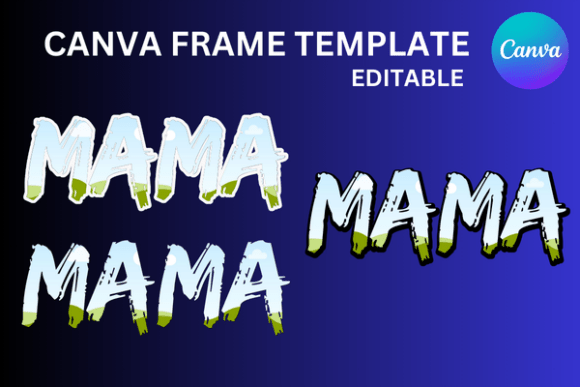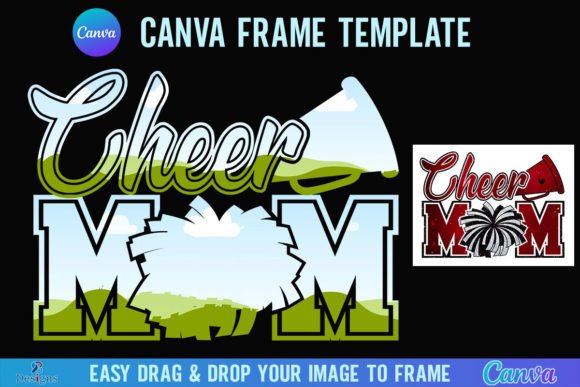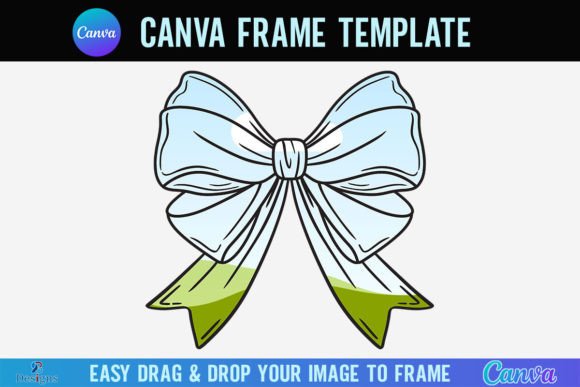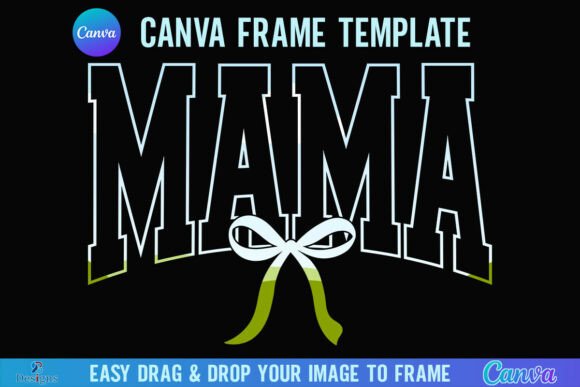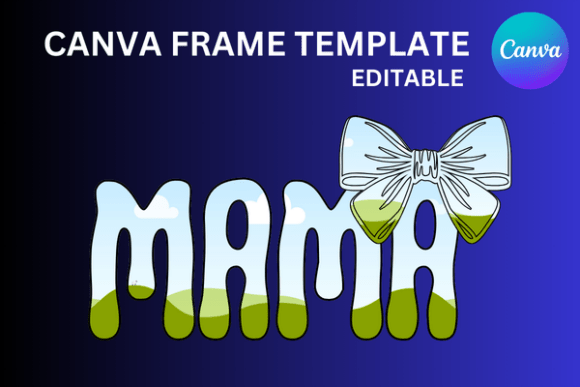
Mama Canva Frame Coquette Template
First Impressions: Delicate, Feminine, and Surprisingly Versatile
Opening the Mama Canva Frame Coquette Template PDF feels like flipping through a well-curated design journal—soft curves, balanced negative space, and that unmistakable coquette charm: flirty but refined, nostalgic but fresh. It’s not a dense machine embroidery design or an applique design with sharp edges—it’s a frame. A digital paper, yes, but one built for intention: to cradle names, dates, monograms, or tiny illustrated motifs in embroidery projects where elegance matters more than impact. I immediately pictured it stitched onto a linen tea towel for a bridal shower gift—delicate satin stitch outlining the frame, soft fill stitch within, and a single embroidered name centered like a whispered secret.
Where It Shines: Real Projects, Real Clients
I tested the Mama Canva Frame Coquette Template concept across three real-world scenarios: a custom embroidered tote bag for a local boutique, a set of baby onesies for a new mom client, and a limited-run batch of pillow covers for my own Etsy shop. In each case, the frame didn’t dominate—it elevated. On the tote, it held a small floral sprig and the shop’s initials without competing with the canvas texture. On the onesies? It softened the look of machine-stitched lettering, making “Lily” feel tender rather than technical. And on the pillow covers, paired with muted thread colors on oat-colored linen, it gave handmade product warmth without needing extra embellishment.
This isn’t a standalone embroidery file meant for center-hoop dominance. It’s a design asset—best used as a boundary, a breathing space, a visual pause. Think sweatshirt embroidery where you want a subtle focal point above the pocket, or holiday embroidery on a kitchen towel where the frame holds a tiny holly motif. It works beautifully for personalized gifts that lean into quiet sophistication—not bold slogans, but thoughtful presence.
Fabric & Function: What You’ll Need to Watch
The Mama Canva Frame Coquette Template performs best on stable, medium-weight fabrics: cotton twill, linen blends, quilting cotton, and midweight knits (with proper stabilizer). On thin fabric? The open areas can cause puckering if stitch density isn’t adjusted—especially near the curved outer edge. On stretchy fabric like jersey, it needs cutaway stabilizer and reduced tension to keep those graceful lines from warping. Dark fabric demands high-contrast thread colors; light threads pop, but avoid pastels unless your background is truly pale—they’ll disappear in photos and in person.
Caps and curved surfaces are tricky. That smooth outer curve doesn’t translate cleanly to a rounded crown without digitizing adjustments—so if you’re planning cap embroidery, treat this as a starting point, not a final file. Same goes for tiny corners and fine interior details: the template includes subtle flourishes that may vanish under dense fill stitch or get lost on textured fabrics like terry cloth or bouclé. For baby embroidery or items that face frequent washing, confirm your stitch density supports durability—light running stitch outlines alone won’t hold up long-term.
Stitching Clarity = Customer Trust
Here’s what I noticed after stitching five variations: customers don’t just buy the design—they buy the feeling it delivers. When the Mama Canva Frame Coquette Template is executed cleanly, it signals care. Not perfectionism, but intention. That translates directly to perceived value: a $38 embroidered apron feels worth it because the frame makes the personalization feel bespoke, not automated. On Etsy listings, it boosts buyer engagement—shoppers linger longer on mockups where the frame adds rhythm and rest to the composition. And for craft business branding? It quietly reinforces consistency. Use it across your tote bag design, sweatshirt embroidery, and holiday embroidery collections, and your shop gains visual cohesion without repeating motifs.
Practical Designer Notes Before You Stitch
- Always test first—on scrap fabric matching your final project’s weight and stretch.
- Check thread color contrast in natural light and on camera—what reads softly in person may vanish in your product photos.
- Review stitch density before sending to your machine; lighter fills work better for breathable fabrics and baby embroidery.
- Confirm hoop size compatibility—this frame fits comfortably in a 4x4 hoop, but verify spacing if layering with text or icons.
- Inspect small details at actual stitch size—zoom in on your embroidery software to catch tight curves or narrow gaps.
- Test black-and-white mockups to assess balance and hierarchy—does the frame guide the eye or distract?
- Compare light and dark fabric backgrounds in your design prep—some flourishes gain strength on contrast; others recede.
- Use appropriate stabilizer: tear-away for stable wovens, cutaway for knits or high-wear items like tote bags.
- Verify licensing before selling finished products or bundling this as part of a digital embroidery file collection—remember, you receive only a PDF, not commercial-use embroidery files by default.
Final Thought: A Frame That Holds Meaning
The Mama Canva Frame Coquette Template won’t shout. It’s not built for viral social posts or oversized chest logos. But in the hands of an embroidery designer who values nuance—or a small shop owner curating meaningful, tactile experiences—it becomes something quietly powerful. It turns a simple embroidered patch into a keepsake. A plain sweatshirt into a signature piece. A holiday embroidery project into a memory anchor. Used thoughtfully, it doesn’t just hold a name or date—it holds attention, intention, and the quiet confidence of handmade product done right.