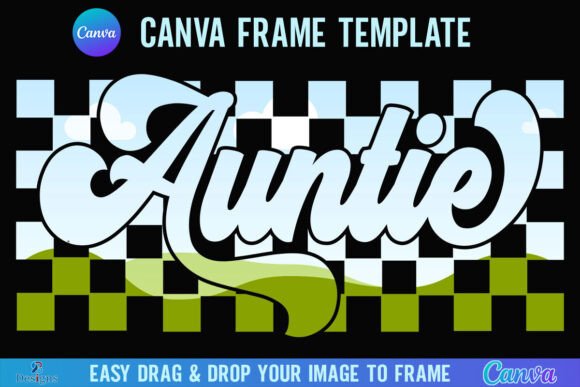
Retro Checkered Auntie Canva Frame Aunt
As someone who’s stitched hundreds of designs onto everything from linen tea towels to baby onesies—and sold dozens through my own Etsy shop—I opened the Retro Checkered Auntie Canva Frame Aunt file with a quiet, practiced curiosity. Not hype. Not hope. Just assessment: Will this hold up in real life? Does it translate from screen to stitch without losing charm or clarity? And most importantly—will my customers *feel* something when they see it on a finished product?
First Impression: Warm, Witty, and Instantly Recognizable
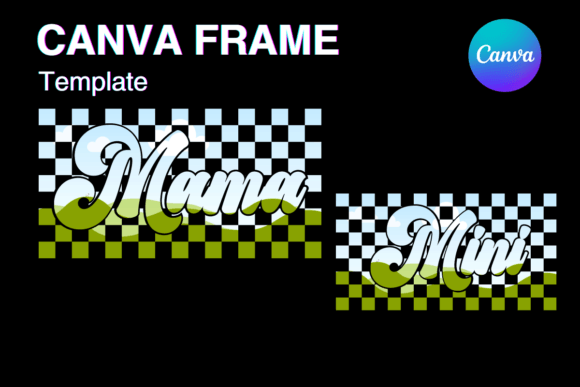
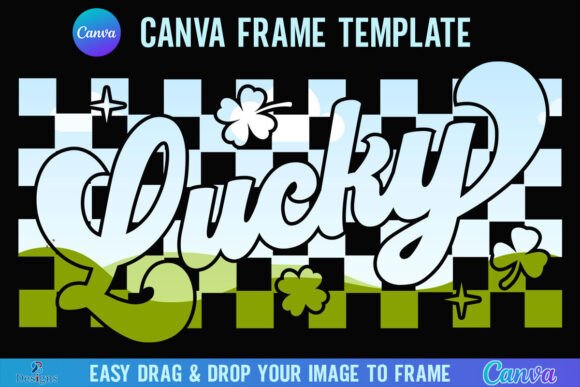
The moment I unzipped the folder and clicked the PDF link to access the Canva frame templates, I saw it: a playful, slightly cheeky retro checkered border framing bold, rounded lettering that spells “Auntie.” It’s not overly cutesy, not aggressively vintage—it lands somewhere between mid-century kitchen wall art and a handwritten note tucked into a holiday cookie tin. The checkered motif is balanced—not too tight, not too sparse—and the letterforms have just enough weight to avoid looking fragile under thread.
This isn’t a design screaming for center-stage embroidery on a jacket back. It’s quieter. Smarter. Perfect for a custom embroidered tote bag meant for weekend farmers’ markets, or a soft cotton apron for a small-batch baking business. I immediately pictured it stitched in muted mustard and charcoal on oatmeal linen—clean, handmade, and full of personality.
Where It Shines (and Where It Needs Care)
In practice, the Retro Checkered Auntie Canva Frame Aunt works beautifully for projects where tone matters as much as technique. Think personalized gifts: baby blankets with “Auntie” stitched beside a tiny embroidered rattle, or a set of matching kitchen towels for a bridal shower—each with a different family role (“Auntie,” “Nana,” “Godmother”) framed in the same consistent style.
It holds up well on medium-weight fabrics like cotton twill, canvas, and stable knits—ideal for sweatshirt embroidery, tote bag design, and pillow covers. The checkered border reads clearly in satin stitch, and the lettering stays legible even at 3.5" wide, which makes it versatile across hoop sizes. For an embroidered patch or cap front, I’d recommend using it at 3"–4" max—any smaller, and the inner check detail risks blending together.
That said, caution is wise on stretchy fabric or thin tees. The design includes fine interior lines within the check pattern—lovely on paper, but potentially lost or distorted if stabilizer isn’t matched carefully to fabric movement. On dark fabric, contrast becomes critical: test thread colors early. A warm cream or soft sage reads warmer and more intentional than stark white, especially for handmade product presentation.
Real-World Use: A Holiday Tote Bag Project
Last week, I prepped a batch of holiday-themed tote bags for a local boutique—each one personalized with a family role. I chose the Retro Checkered Auntie Canva Frame Aunt for three reasons: its cohesive visual rhythm, its friendly-but-polished voice, and how easily it scaled across multiple products without feeling repetitive.
I stitched it on natural canvas totes using a medium-weight cutaway stabilizer and 40-weight rayon thread. The checkered border stayed crisp. The letters held their shape. No puckering. No skipped stitches—even on the curved seam near the handle attachment point. Customers responded instantly: “That’s *so* Aunt Linda,” one said, laughing. That kind of emotional resonance? That’s what turns a simple embroidered patch into a keepsake.
What This Means for Your Craft Business
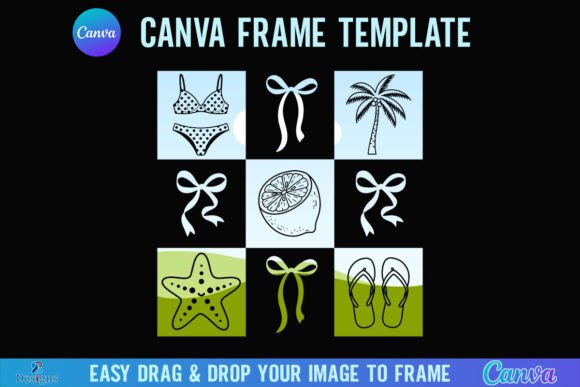
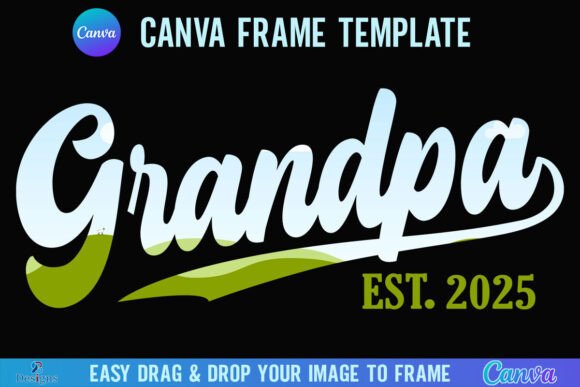
- Brand consistency: Because it’s part of a Canva frame system, you can drop in photos, icons, or alternate text—making it adaptable for seasonal collections or shop-wide branding.
- Giftability: Its warmth and specificity (“Auntie”) make it feel personal without needing customization—ideal for Etsy sellers offering ready-to-ship embroidered items.
- Buyer trust: Clean lines and balanced spacing signal intentionality. Customers assume care went into the design—and by extension, your finished product.
- Commercial flexibility: As a graphics-based template, it lends itself to both physical embroidery and printable mockups for digital product previews—valuable whether you’re selling stitched goods or design assets.
Designer Notes You’ll Want to Keep Handy
Before stitching your first Retro Checkered Auntie Canva Frame Aunt project, take five minutes to:
- Test on scrap fabric—especially if using textured weaves or blends.
- Check stitch density visually; dense fill areas may need reduced density settings for breathability on baby embroidery or lightweight apparel.
- Confirm hoop size compatibility—some Canva frames assume standard 4x4 or 5x7 setups, but verify before hooping.
- Inspect corners and inner check details at actual stitch-out size—tiny intersections can vanish if digitized loosely.
- Run black-and-white mockups to assess contrast on light vs. dark backgrounds.
- Use appropriate stabilizer: cutaway for knits, tear-away for stable wovens, and fusible + tear-away for layered garments like hoodies.
- Review licensing terms in the PDF—this is a graphics-based Canva template, so confirm whether resale of stitched items or redistribution of the digital file is permitted for your craft business.
Bottom line? The Retro Checkered Auntie Canva Frame Aunt isn’t flashy—but it’s thoughtful. It doesn’t try to be everything. It knows its lane: heartfelt, handmade, quietly confident. Whether you're stitching for a client, prepping for a craft fair, or building a cohesive Etsy collection, it adds warmth without clutter, personality without pretense. And in embroidery—where every stitch carries intention—that’s rare, and valuable.