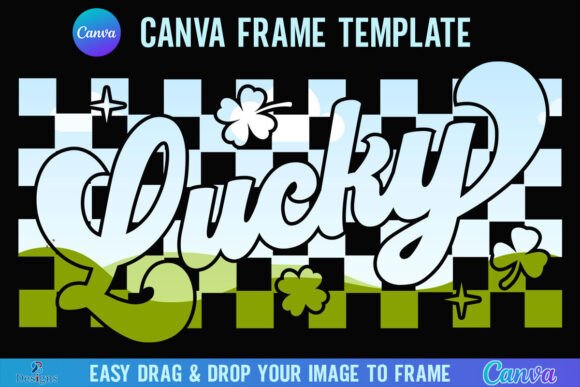
St Patricks Lucky Canva Frame Checkered
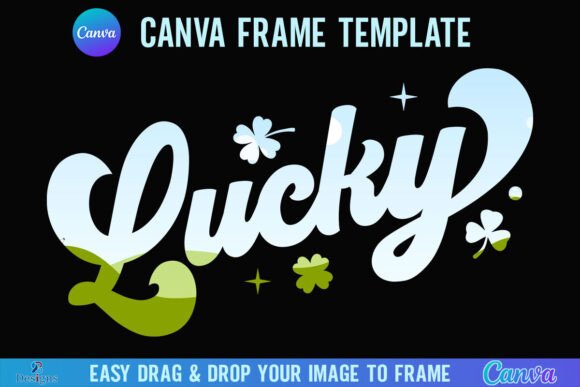
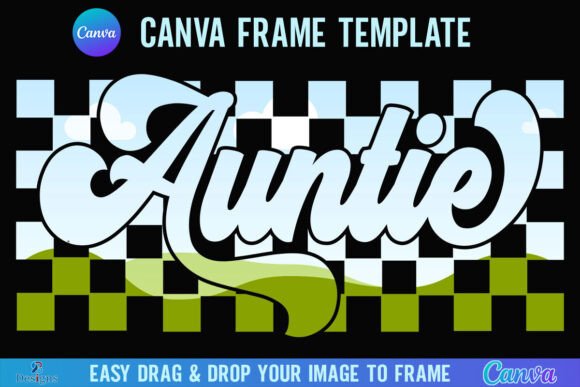
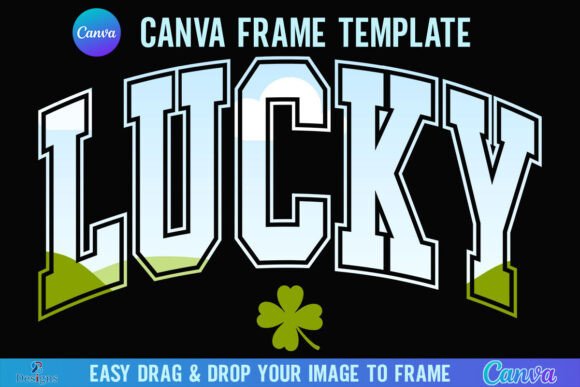
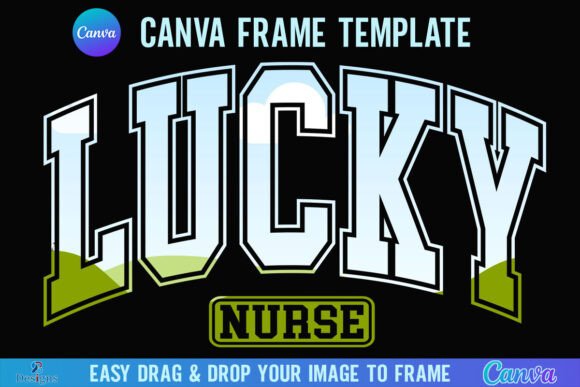
As someone who’s stitched hundreds of client projects—from boutique baby onesies to Etsy best-selling tote bags—I opened St Patricks Lucky Canva Frame Checkered expecting charm, not clutter. What I found was a clean, confident frame design that leans into Irish tradition without leaning too hard: no over-the-top leprechaun hats or cartoon shamrocks, just balanced checkered borders, subtle clover motifs, and a centered “Lucky” banner that breathes well on fabric. It feels like a design made *for* embroidery—not just slapped onto a template.
Last week, I used it as the focal point for a custom linen tea towel set—meant for a local café’s St. Patrick’s Day pop-up. The frame wrapped neatly around a simple embroidered monogram, and the rhythm of the checkered border gave the piece structure without competing. Customers noticed it immediately: “It looks handmade, but polished,” one said. That’s the sweet spot—and St Patricks Lucky Canva Frame Checkered lands there consistently.
Where This Frame Shines in Real Embroidery Projects
This isn’t a standalone motif—it’s a container. And containers matter more than we admit. A well-proportioned frame turns a basic embroidered name into a keepsake, a plain sweatshirt into a boutique staple, a baby bib into a heirloom-style gift. Here’s where St Patricks Lucky Canva Frame Checkered delivers:
- Custom apparel: Works beautifully on crewneck sweatshirts—especially when placed slightly off-center on the chest. The checkered edges echo knit texture, and the open center leaves room for small personalization (a name, date, or initial).
- Tote bag design: Holds up at 4–5 inches wide without looking cramped or sparse. The repeating pattern reads clearly even at lower stitch densities—key for cotton canvas that can’t handle heavy fill stitching.
- Baby embroidery: Soft enough for onesies and burp cloths. The clover accents are distinct but not fussy—no tiny stems or fine lines that vanish under satin stitch compression.
- Embroidered patch: Cuts cleanly when digitized for applique. The outer border gives natural seam allowance, and the internal negative space prevents puckering during heat-press application.
- Holiday embroidery & gifting: Feels festive but not dated—ideal for March merchandise that can linger through spring. I’ve seen customers re-gift these towels months later because the design doesn’t scream “one-day holiday.”
Where to Proceed With Thoughtful Stitching
No frame is universal—and this one asks for intention. It’s not built for micro-hoops or high-detail surfaces. Before committing to production, consider:
- Hoop size & fabric texture: The checkered bands rely on consistent line weight. On thick terry cloth or textured jacquard, test stitch density first—overly dense fills can blur the pattern. Lighter running-stitch outlines help preserve clarity.
- Stretchy fabric: Not ideal for knits without proper stabilizer backing. The geometric symmetry tightens under tension; use cutaway + topping on performance fabrics or ribbed cuffs.
- Dark fabric: The PDF link inside the zip file points to Canva templates—but remember: those are graphics, not embroidery files. You’ll need to digitize or convert thoughtfully. On black or navy, avoid light green thread unless you want low contrast. Emerald or forest tones hold legibility better.
- Curved surfaces (caps, hats): The corners are crisp—not rounded—so avoid placing near crown seams or bill curves unless you’re willing to manually adjust corner angles in your embroidery software.
- Frequent washing: If using for kitchen towels or baby items, confirm your digitizer used appropriate underlay and reduced pull compensation—dense checkered zones can torque if overstitched.
Design Integrity Meets Commercial Practicality
What makes St Patricks Lucky Canva Frame Checkered valuable for craft businesses isn’t just aesthetics—it’s how it supports trust and presentation. When an Etsy buyer sees this frame on a listing photo, they read “carefully considered,” not “clip art.” That perception lifts perceived value—especially alongside complementary handmade products like hand-dyed linen or organic cotton.
For small shop owners, it scales quietly: same frame, different center content (a logo, monogram, or seasonal icon), same cohesive look across product lines. No visual whiplash between your aprons, pillow covers, and caps—just smart repetition.
And for digital product sellers? Use it as a design asset in printable mockups. Its clean proportions translate well to Canva-based product previews—just be sure your final embroidery file matches the framing intent. Don’t assume the graphic = ready-to-stitch file.
Practical Notes From the Hoop
Before stitching your first St Patricks Lucky Canva Frame Checkered project:
- Unzip the file and open the PDF—click the link to access the Canva templates, then export or adapt with your workflow in mind.
- Test on scrap fabric *first*, especially if pairing with lettering or custom icons inside the frame.
- Check thread color contrast on both light and dark backgrounds—green-on-green rarely reads well.
- Review stitch density: the checkered bands shouldn’t feel heavier than the center area unless intentional.
- Confirm licensing terms before selling finished items or bundling digitally—this is a graphics file, not pre-digitized embroidery.
- Use medium-weight cutaway stabilizer for woven fabrics, tear-away + topping for knits.
- Look at it in grayscale mockups—does the rhythm still hold? If not, simplify detail before digitizing.
In short: St Patricks Lucky Canva Frame Checkered is a quiet professional. It won’t shout—but it will steady your composition, elevate your handmade product, and earn nods from customers who know thoughtful design when they see it. Use it like a seasoned designer would: with purpose, restraint, and respect for the fabric beneath the needle.